
Facilitation: Best Practices for Challenging Situations
A practical, evidence-informed guide to navigating disagreement, tension, and difficult conversations in group settings.
For facilitators, leaders, and anyone guiding group dialogue.
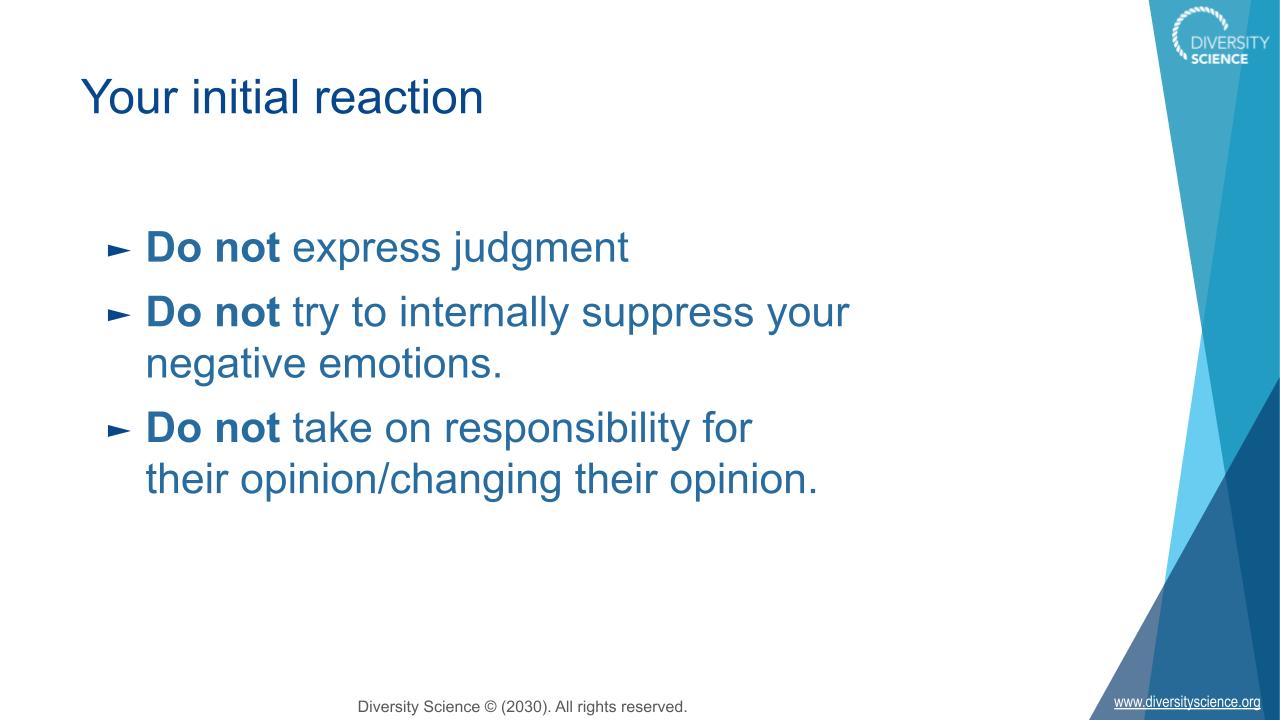
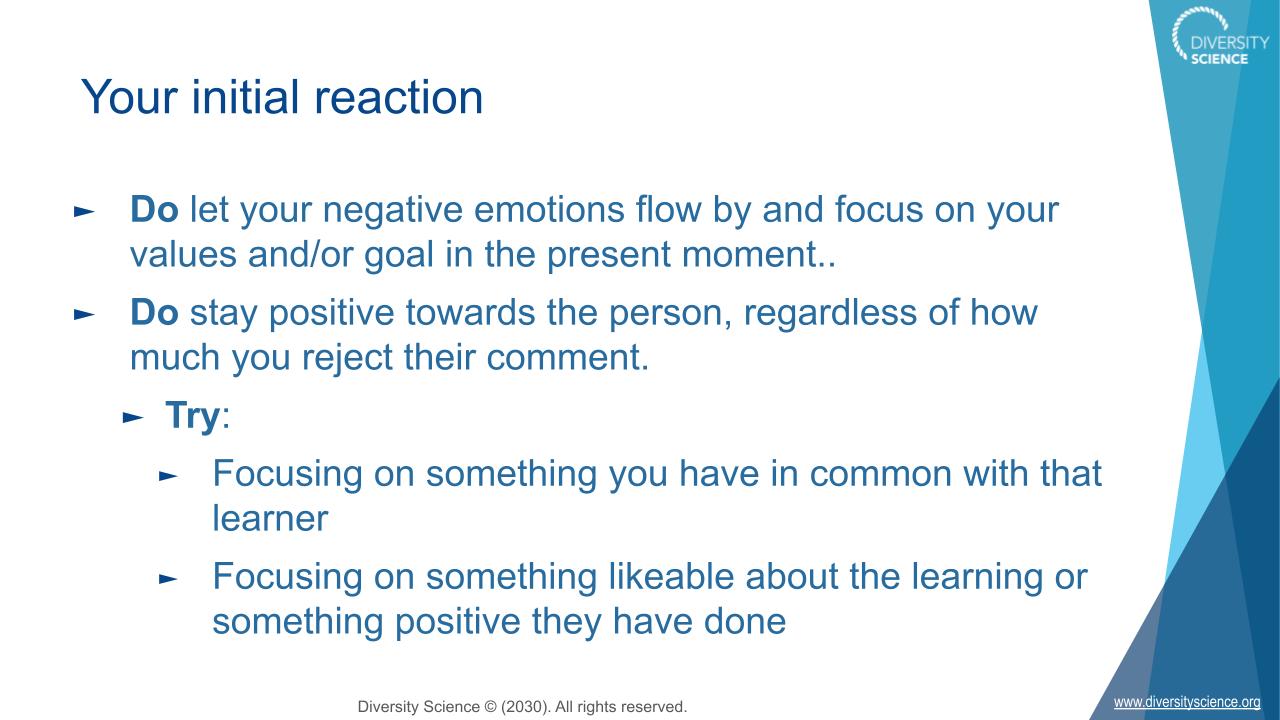
Assume Good Intentions
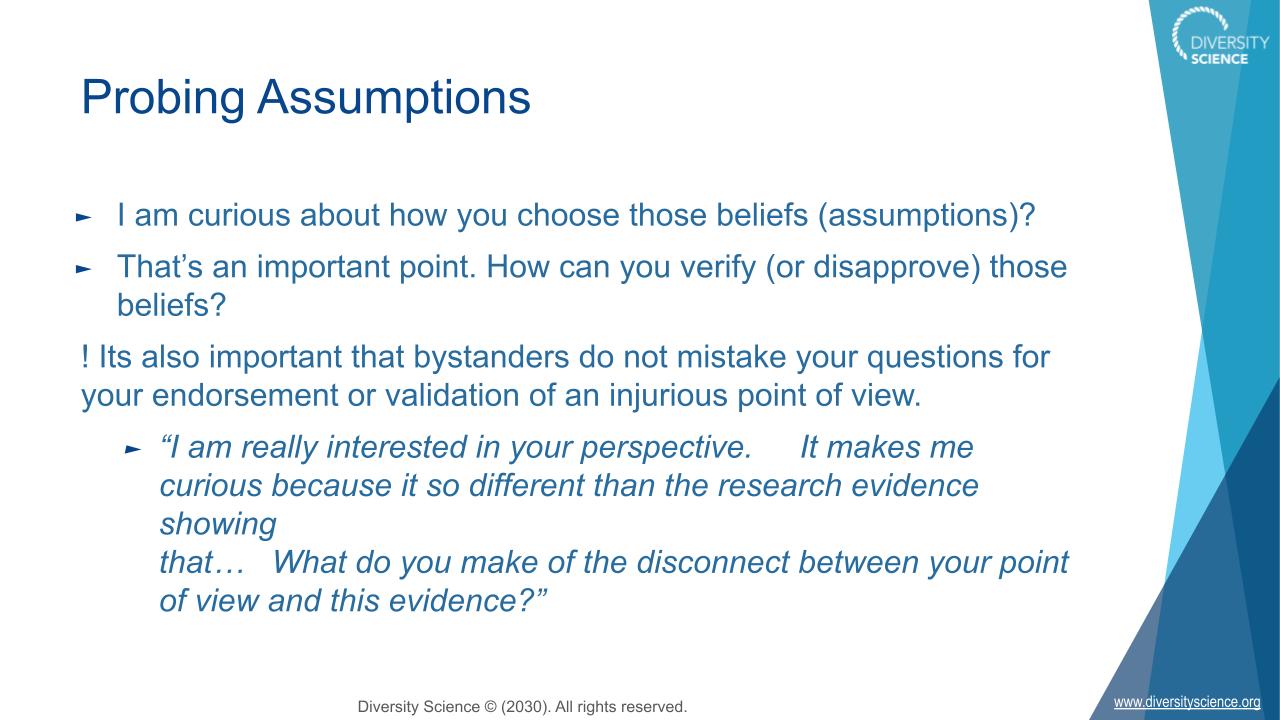
Listen closely for the “piece of the truth” in each person’s expression.
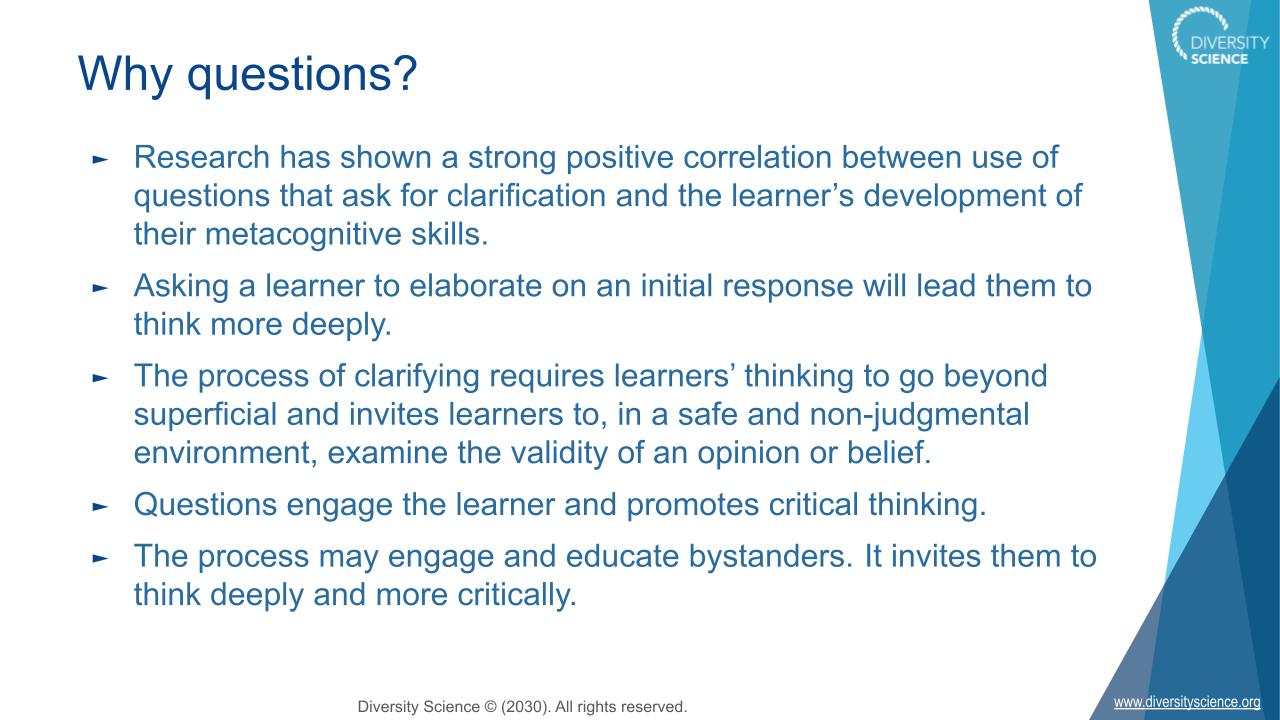
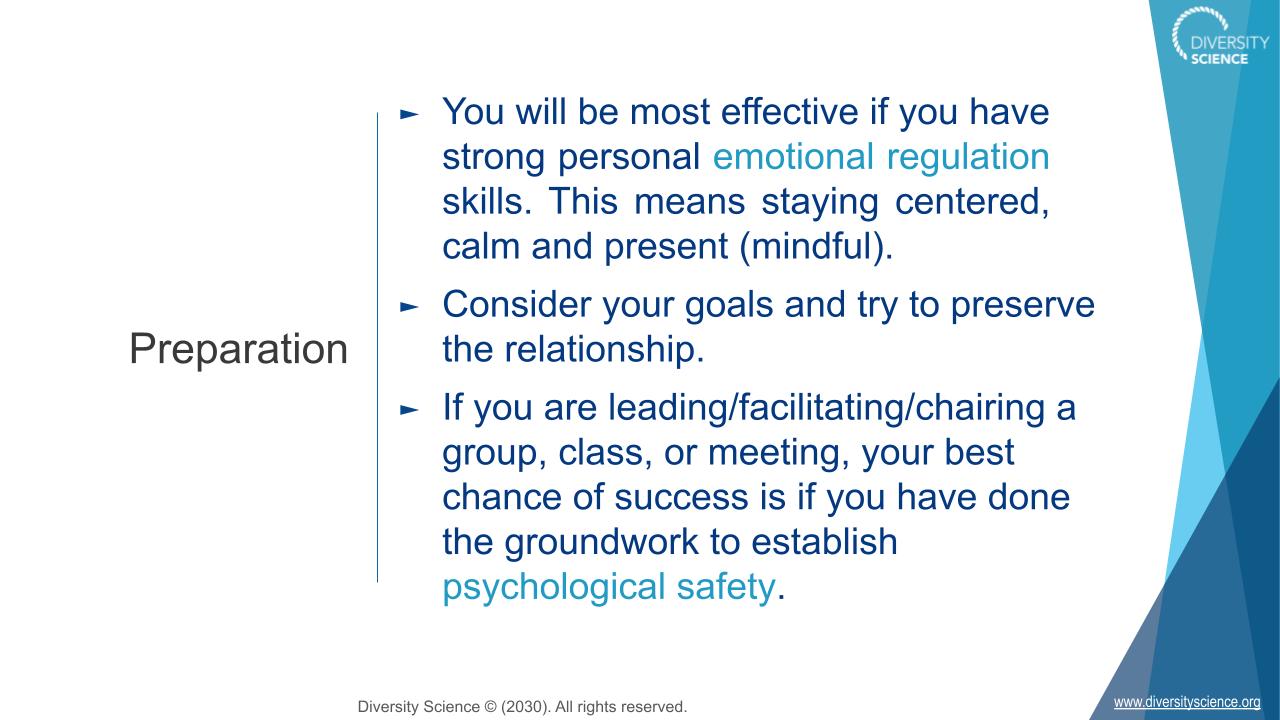
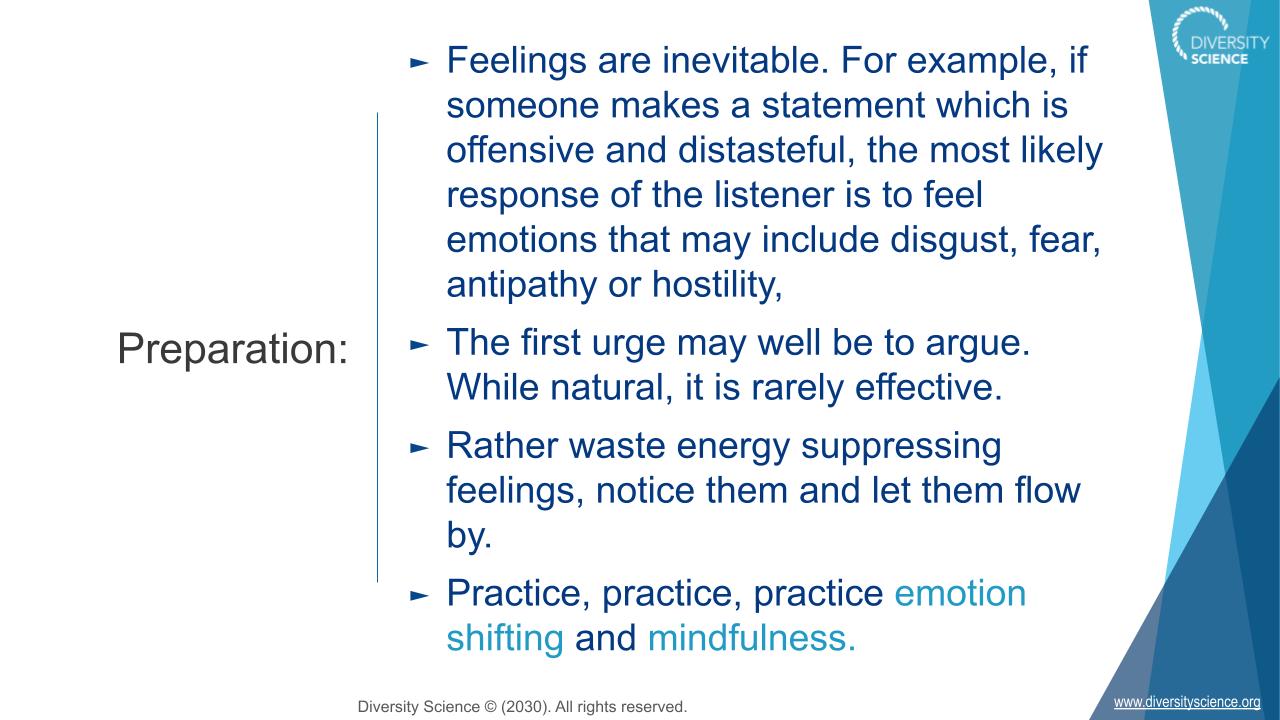
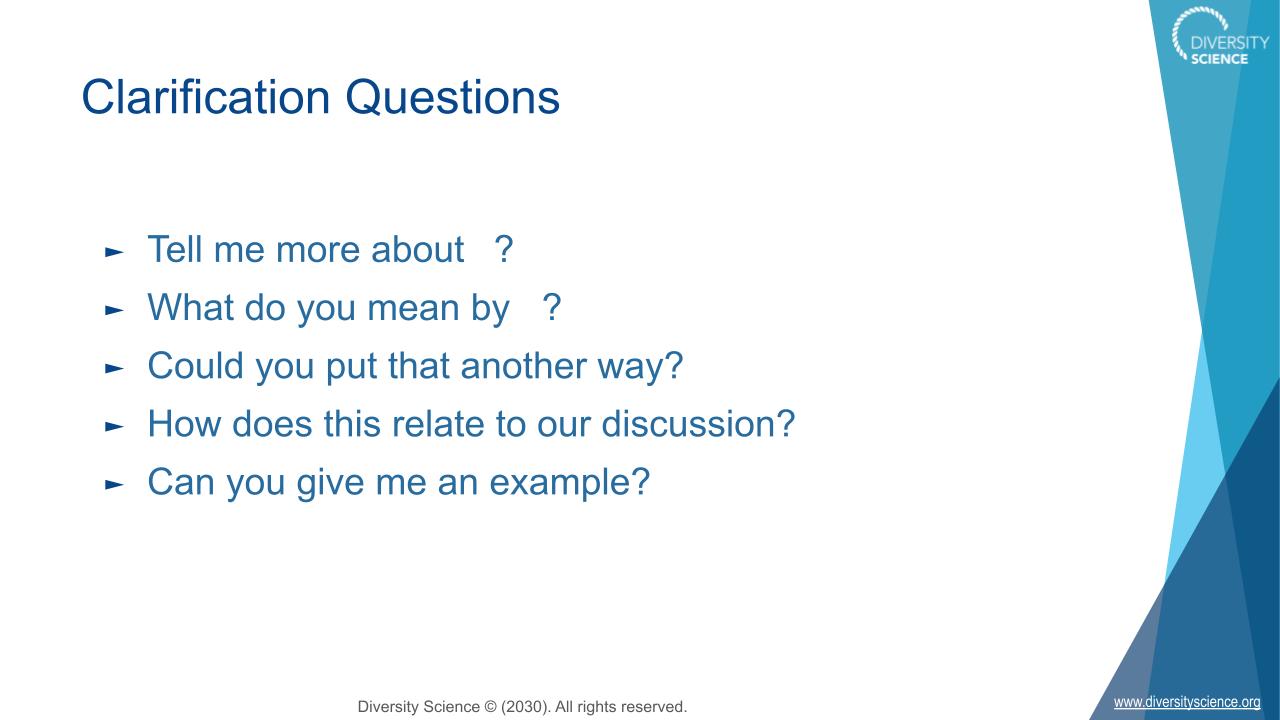
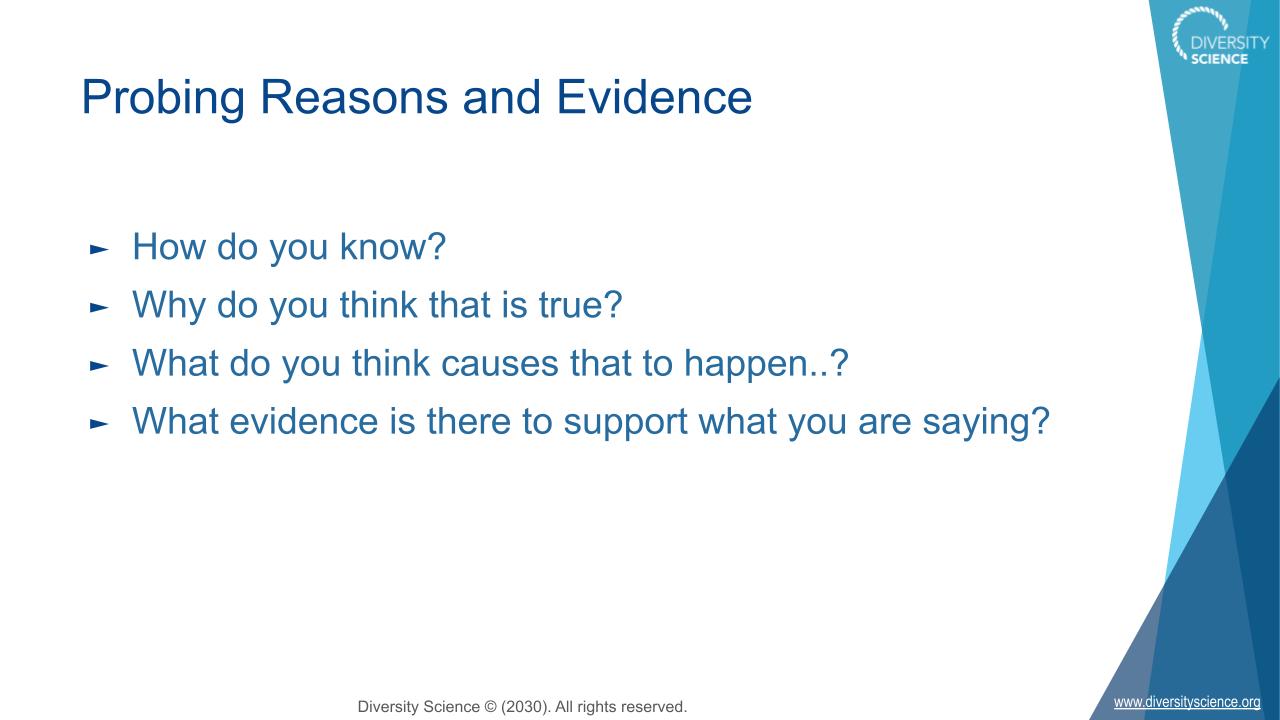
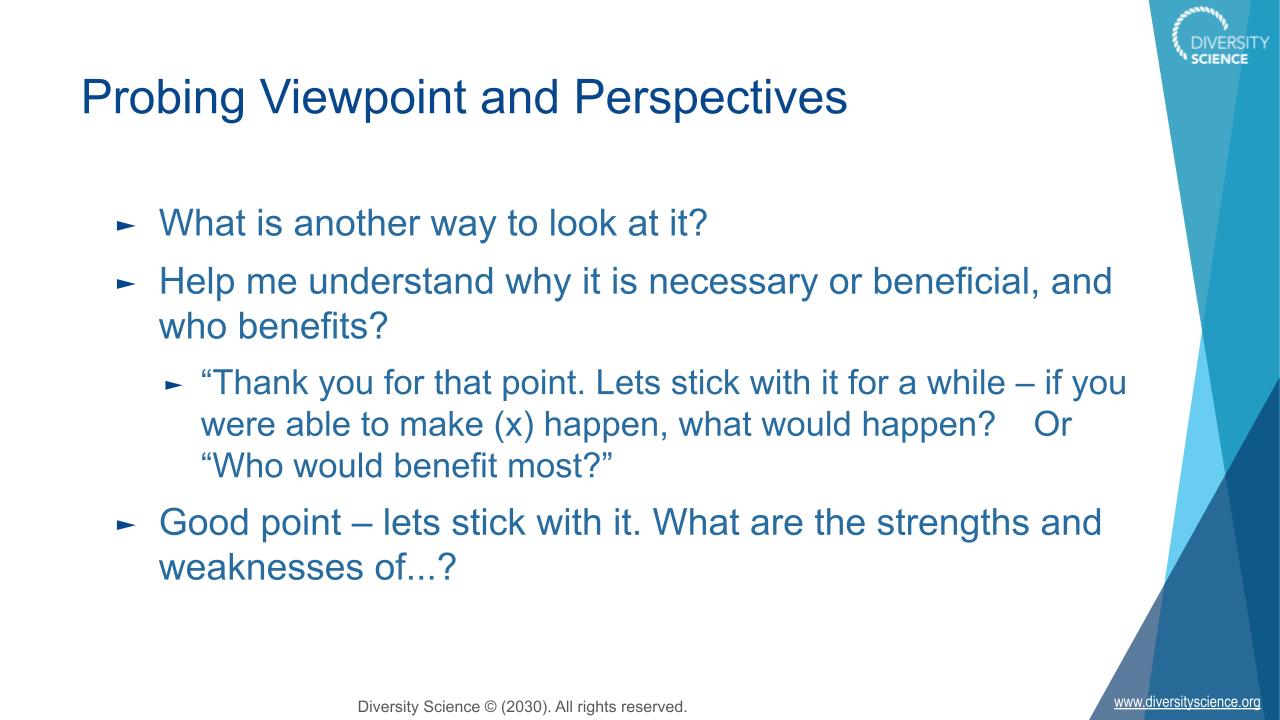
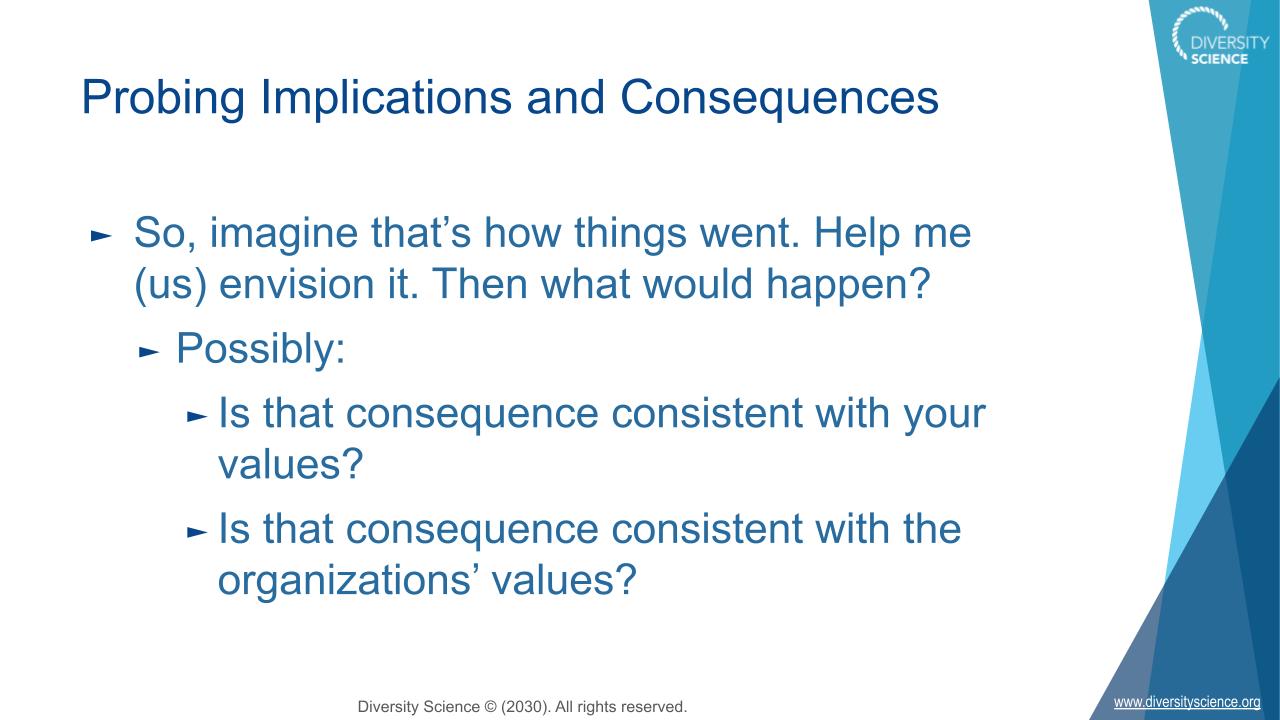
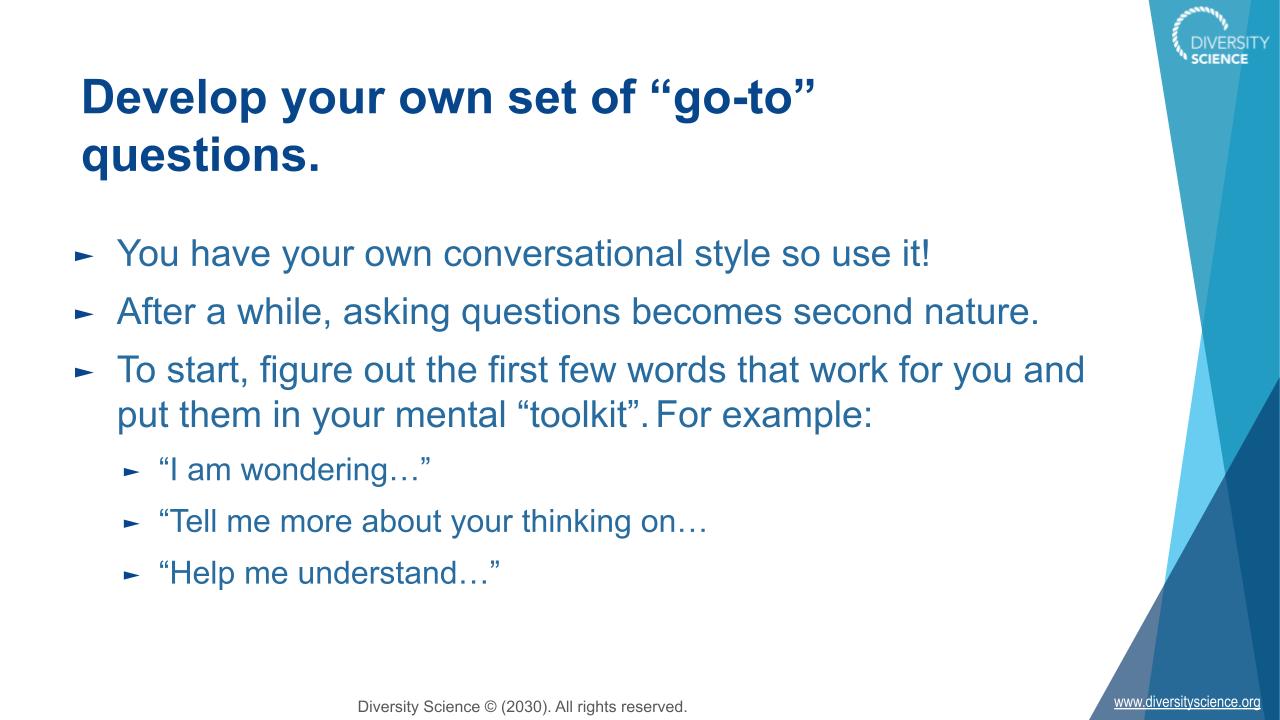
Ask Questions
Invite the Person to Help Solve the Problem
Specific Challenges in Groups
Carrying on a Side Conversation
Don’t assume the talkers are being disrespectful; depersonalize the behavior by thinking : “Maybe they are unclear about a point in the material, or the material is not relevant to their needs.”
Ask the talkers if they don’t understand something.
Walk toward the talkers as you continue to make your point; this stops many conversations dead in their tracks.
Monopolizing the Discussion
Some participants tend to take over the conversation; while the enthusiasm is great, you don’t want to leave other learners out.
Tell the monopolizer that her comments are valuable and interesting and that you would like to open up the discussion to others in the group. Then call on another person by nam e.
Enlist the monopolizer to help you by being a gatekeeper and ensuring that no one monopolizes the conversation.
Complaining
Don’t assume someone who complains doesn’t have a valid reason to do so.
Ask the rest of the group if they feel the same way. If they do, try to address the issue as appropriate. If they don’t, talk to the individual in the hallway during the break.
Challenging Your Knowledge
Determine if this person really knows more than you do, or is just trying to act as though he does.
If he does know more, try to enlist his help in the training. If he doesn’t, ask him to provide expertise, and he will usually realize he can’t and back down.
Daydreaming
Use the person’s name in an example to get her attention.
Switch to something more active.
If behavior affects more than just one person, try to find out if something work related is causing it and have a brief discussion about it.
Heckling
Don’t get upset or start volleying remarks.
Try giving the person learning-oriented attention: “John, you clearly have some background in this area; would you care to share your thoughts with the rest of the group?”
Get the attention off you by switching to a group-oriented activity.
Clowning Around
Give the person attention in a learning-oriented way by calling on her to answer a question or be a team leader.
If a joke is intended to relieve tension in the room and others seem to be experiencing it, deal with the tension head on by bringing it up.
If it is just a joke, and it’s funny and appropriate, laugh!